
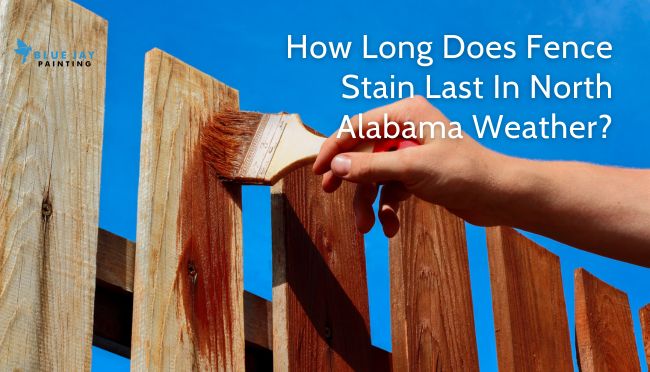
Keeping your outdoor spaces looking great takes real effort, especially when you live in the South. You invest time and money into a beautiful wooden fence, hoping it will stand tall and look pristine for years. Then, the brutal summer heat and sudden downpours arrive.
If you own a home here, you probably wonder how long a fresh coat of stain will actually survive. We understand the unique challenges our local climate presents. We take a data-first approach to outdoor home improvement, breaking down complex maintenance tasks so you know exactly what to expect.
This guide will explain exactly how North Alabama weather impacts your fence. You will learn the expected lifespans of different stain types and discover the unmistakable signs that it is time for a fresh coat. We will also share actionable tips to help you get the most out of your investment.
The Impact of North Alabama Weather on Your Fence
Wood is a highly porous natural material. It expands, contracts, and absorbs moisture based on the environment around it. Our local climate pushes outdoor wood structures to their absolute limits. Compared to milder or drier regions, fences in our area require a more strategic approach to protection.
 Intense Summer Heat and UV Exposure
The southern sun acts like a giant bleaching agent. Direct ultraviolet rays break down the cellular structure of wood fibers over time. This constant daily exposure causes natural wood to lose its rich color and turn a dull, silvery gray.
When you apply a high-quality product during routine fence staining, the pigments act like sunscreen for your wood. Darker stains offer more UV protection than clear sealers. Still, weeks of relentless 90-degree days will eventually degrade even the toughest protective layers.
High Humidity and Seasonal Heavy Rainfall
Moisture is the natural enemy of any wooden structure. We experience incredibly high humidity levels and intense seasonal rainstorms. When wood stays damp for extended periods, it becomes the perfect breeding ground for organic growth.
Excess moisture leads directly to wood rot, warping, and swelling. If your stain wears thin, water easily penetrates the wood grain. This constant cycle of soaking and drying out causes the boards to crack and splinter. Proper staining seals the wood pores, forcing water to bead up and roll right off the surface.
Expected Lifespan of Different Stain Types
Not all stains offer the same level of protection. The right choice depends entirely on your aesthetic preferences and how often you want to tackle maintenance. Here is a breakdown of what you can expect from different wood stain options in our specific climate.
| Stain Type | Appearance | UV Protection | Expected Lifespan in AL |
| Clear Sealer / Toner | Shows full natural grain | Low | 1 Year |
| Transparent Stain | Adds slight color, shows grain | Low to Medium | 1 to 2 Years |
| Semi-Transparent Stain | Rich color, shows some grain | Medium to High | 2 to 3 Years |
| Semi-Solid Stain | Deep color, hides most grain | High | 3 to 4 Years |
| Solid Stain | Looks like paint, hides grain | Maximum | 3 to 5 Years |
Some oil-based stains can last up to 5 years on a wood fence, but water-based stains usually need to be reapplied every 2 to 3 years. It’s important to understand the differences between these types of stains and choose one that aligns with your maintenance preferences and budget. Once your fences are treated by a Blue Jay professional, they will have a fresh new look that is protected against weathering and UV damage.
Signs Your Fence Needs Restaining
You should never wait until your boards are rotting to apply a new coat. Catching the warning signs early saves you from expensive replacement costs. Look for these clear indicators that your fence is vulnerable:
- The Water Test Fails: Splash a cup of water onto the wood. If it soaks right in and leaves a dark spot, the protective seal is gone.
- Fading and Graying: As the UV protection wears off, the rich brown or cedar tones will begin looking dull and gray.
- Peeling or Flaking: Solid stains will eventually start to crack and peel away from the wood surface.
- Mold and Mildew Growth: Green or black spots mean moisture is trapped inside the wood fibers.
- Splintering Wood: Boards that look fuzzy or have rough, raised edges desperately need hydration and protecting.
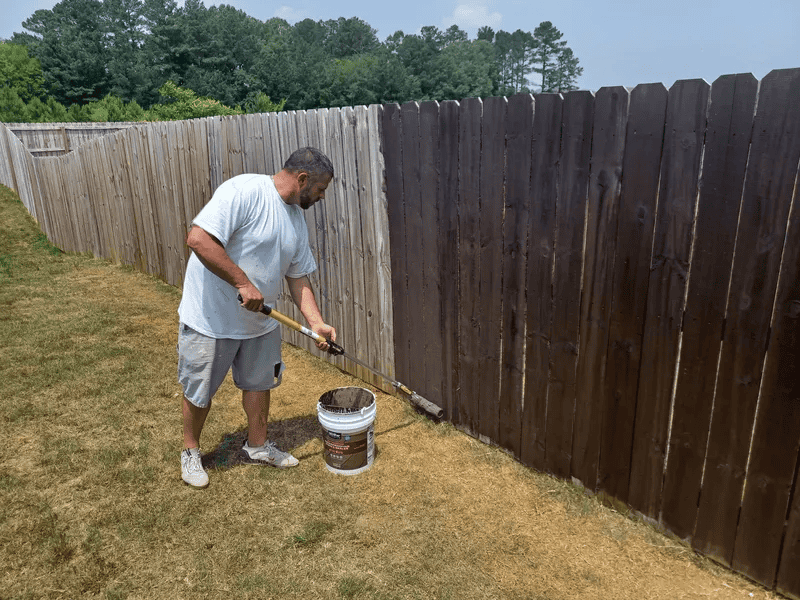
Jake from Blue Jay Working on a Pressure-Treated Wood Fence.
 Expert Maintenance Tips to Extend Stain Life
Getting the maximum lifespan out of your fence requires a little proactive care. You can easily add an extra year or two to your stain by following a few simple steps. Similar to routine wood deck maintenance, keeping your fence clean prevents premature wear and tear.
- Wash It Annually: Use a gentle wood cleaner and a low-pressure wash to remove dirt, pollen, and mildew each spring.
- Trim Back Vegetation: Keep bushes, vines, and tree branches pulled away from the fence line to allow proper airflow.
- Adjust Sprinkler Heads: Ensure your lawn irrigation system is not constantly spraying water directly onto the wood panels.
- Replace Damaged Boards: Fix broken or rotting pickets immediately so water cannot seep into the structural posts.
- Sweep Away Debris: Clear out wet leaves and pine needles that pile up at the base of the fence during the fall.
Frequently Asked Questions About Fence Staining in Alabama
We hear the same questions from homeowners every single season. We believe in total transparency, so we have compiled the answers to your most pressing local concerns.
What is the best time of year to stain a fence in Alabama?
Fall and spring are the ideal seasons for this project. You want moderate temperatures, ideally between 50 and 80 degrees. High summer heat makes the stain dry too quickly, preventing it from soaking deep into the wood grain.

How soon after a rainstorm can I apply stain?
You must wait until the wood is completely dry. In our humid climate, that usually takes at least 48 to 72 hours of clear, sunny weather. Applying stain to damp wood traps moisture inside, leading to rapid peeling and wood rot.
Should I pressure wash my fence before staining?
Yes, but you must use extreme caution. High pressure will gouge the wood and cause permanent damage. We recommend using a specialized wood cleaner and a gentle soft-wash technique to remove old dirt and oxidation safely.
Protect Your Fence with Blue Jay Painting
Dealing with exterior maintenance takes time away from the things you actually enjoy doing. You deserve an outdoor space that looks incredible without the constant stress of DIY upkeep. At Blue Jay Painting, we are completely focused on client success and long-lasting results.
Our team knows exactly how to protect your property against the toughest local weather conditions. We proudly serve homeowners with professional, reliable care. Reach out to our friendly staff today to schedule your consultation and keep your property looking its absolute best year-round.
Recent Comments